Eye examinations are essential for keeping your eyes healthy and your vision clear. Knowing what to expect might help you feel more at ease, whether having your first eye exam or monthly checkup. An eye test is more than just an eyesight test. It is a complete evaluation of your eye health. Regular eye examinations can determine vision problems early, monitor the health of your eyes, and even discover signs of other health conditions. Then why wait? Book your appointment now with Drs. J&K GILL ASSOCIATES their eye care in Brampton is the best option. In this companion, we will explain the steps involved in an eye test, what you should bring to your appointment, the types of tests you might go through, and what happens later. By the end, you will know what to expect when you visit the optometrist.
How to prepare
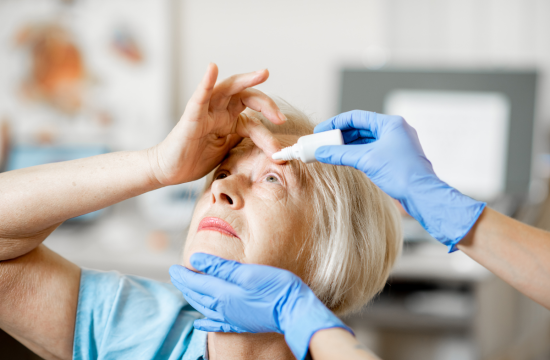
When contacting us to book your appointment, please mention any visual issues you are having. Before you depart, write down any questions you want to ask the doctor. Prepare to offer an update on any drugs you are currently taking, as well as your and your family’s eye health history. Bring your glasses and contact lenses along with the prescription. Also, bring sunglasses because the doctor will use eye drops to open up your eye pupils. It is called dilation. Your eyes will be sensitive to light afterward.
During your eye exams
The eye doctor or a staff member will begin by asking about your medical and visual history. Depending on the technology, the exam might last anywhere from 30 minutes to several hours. It will address both your eye health and eyesight. You will likely have all or most of the following eye exams, along with maybe a few more:
Cover test
It reflects the level of visual coherence. You will concentrate your eyes on a small, distant point. The doctor will cover and uncover your eyes to see how frequently they move. Your doctor will also look for an eye that moves away from the target. It is known as strabismus. You can retake the exam using a nearby target.
Refraction testing
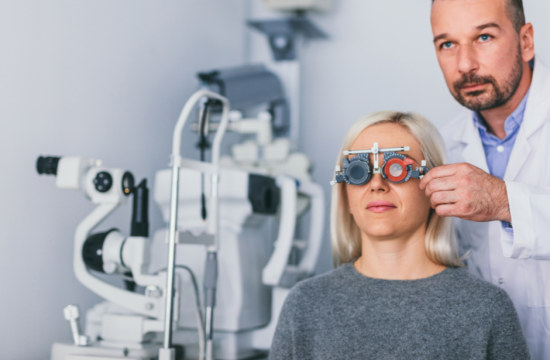
The refraction or sight test determines your prescription (if necessary). An optometrist places a phoropter in front of your eyes and shows you a series of lens choices. The patient will determine whether lens choice 1 or 2 is sharper.
Eye muscle movement test
It checks your eye’s alignment. The physician will monitor your eye movements while you track a target (such as the tip of a fingernail or a pen) as it travels in various directions.
Retinoscopy
Retinoscopy is one approach for diagnosing refractive issues. Refractive errors influence your perception of adjacent and distant things. During a retinoscopy test, your optometrist uses a retinoscope to assess how much light your eyes reflect. This exam also allows your optometrist to determine your prescription.
Slit lamp (biomicroscope)
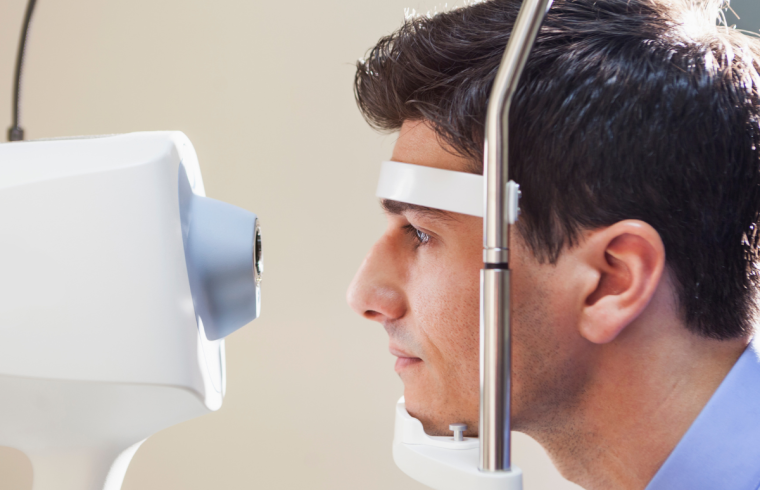
This device illuminates and magnifies the front of your eye. Using it, the doctor checks the cornea, iris, lens, and posterior portion of the eye for signs of probable eye illnesses.
Visual acuity test
This test uses multiple sizes of letters on an eye chart to measure the sharpness of your vision. Your eyes will be analyzed both together and individually to assess your vision.
After the eye exam
Be ready to ask questions about the exam process or your results once the exam properly wraps up. After your checkup, you have to feel secure about you know what’s going on with your eyes. Following all eye tests, the eye doctor will recommend a course of treatment if anything shows up. Treatment may include the use of glasses or contacts. If an ailment appears or surgery is required, an optometrist will refer the patient to an ophthalmologist for further evaluation.
Conclusion
Knowing what to expect and preparing accordingly, you can make your visit to the optometrist smooth and stress-free. Remember, proactive eye care today can prevent significant problems tomorrow. Make eye exams a regular part of your health routine to maintain clear vision and healthy eyes for life. To preserve optimal physical health, visit the optometrist every year. In addition to addressing visual impairments, these specialists can help identify significant disorders before they cause lasting and life-altering harm.If you want to book an appointment with the best Eye doctors in Brampton, visit Drs J&K GILL ASSOCIATES. They provide services in Brampton and Mississauga. Their primary aim is to give equal treatment and attention to all patients. As part of their eye care services, they have a diverse selection of contact lenses and frames with different colors and designs from well-known eyewear manufacturers. Their optometrists in Brampton and Mississauga are always available to help you discover the proper glasses or contact lenses after your eye test.